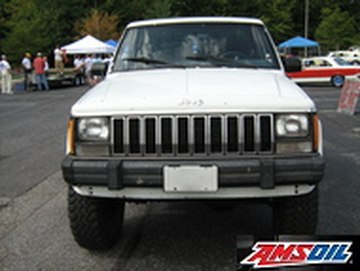
Maintaining Lubrication Integrity for the 1982 Jeep CHEROKEE 4.2L
Proper engine care for a vehicle of this era requires a proactive approach to fluid management and component inspection. For owners of a 1982 Jeep CHEROKEE equipped with the 4.2L engine, maintaining the lubrication system is a fundamental aspect of long-term mechanical health. Because older engines often operate under different thermal and mechanical stresses than modern counterparts, staying observant of how fluids behave is essential for preventing unexpected issues.Monitoring Fluid Condition and Consumption
One of the most effective ways to monitor the health of the 4.2L engine is through regular observation of lubricant levels and appearance. Rather than waiting for a warning indicator, an owner should establish a routine of checking the dipstick during standard maintenance intervals. Changes in how much oil the engine uses can be significant indicators of shifting mechanical needs. If you notice that the level is dropping more rapidly than previously observed, it warrants a closer investigation into potential causes. Similarly, the physical appearance of the lubricant can provide clues about the internal environment. While some discoloration is expected as oil ages and collects contaminants, extreme changes in texture or color should be noted. If an unusual odor is detected near the engine bay, it may indicate that lubricant is contacting hot external surfaces. Such observations do not necessarily point to a single specific component failure but serve as important signals that the vehicle requires a more detailed inspection of its seals and gaskets.Systematic Inspection of Aging Components
As vehicles age, the materials used in various systems can undergo changes in flexibility and integrity. For a 1982 Jeep CHEROKEE, periodic visual inspections can help identify areas that may require attention before they lead to more significant service requirements. When performing routine maintenance, it is useful to examine the following:- Gaskets and Seals: Inspect various sealing surfaces for signs of age-related seepage or weeping. Even minor traces of fluid can indicate that a seal is beginning to lose its effectiveness.
- Hoses and Connections: If present, check the condition of rubber hoses for signs of cracking, softening, or bulging. Ensuring these components remain pliable is vital for maintaining system pressure and preventing leaks.
- Electrical Integrity: Inspect accessible wiring and electrical connectors for signs of corrosion or fraying, which can affect sensor accuracy and overall engine management.
- Drive Components: If equipped, examine any accessible drive belts for evidence of glazing, cracking, or fraying. A belt that shows significant wear may eventually lose its ability to drive accessories effectively.
Establishing a Maintenance Baseline
For many owners of classic vehicles, the complete service history may not always be readily available. In such cases, the first priority is establishing a baseline for the 4.2L engine. This involves documenting the current state of all fluids, the condition of major components, and any immediate maintenance needs. Once a baseline is established, you can more easily identify deviations from "normal" operation. For example, if you know that the vehicle typically consumes a very small amount of oil between changes, a sudden increase becomes much easier to detect. Keeping a detailed log of every oil change, filter replacement, and observed leak provides a roadmap for the vehicle's future needs. This documentation is invaluable not only for your own peace of mind but also for maintaining the mechanical transparency of the vehicle over years of ownership.Prioritizing Service Tasks
Effective maintenance is often about deciding where to focus your time and resources. Rather than attempting to replace every aging part at once, a more practical approach is to prioritize tasks based on current condition and observed symptoms. If you notice active fluid seepage or an unusual mechanical noise, these should take precedence over general preventive tasks. Addressing active issues helps stabilize the engine's operating environment. Once the immediate concerns are resolved, you can return to scheduled maintenance, such as air filtration service or inspecting cooling system components if equipped. This method ensures that the most critical aspects of the 4.2L engine's health are addressed first, preventing minor irregularities from escalating into more complex mechanical challenges.Understanding Lubricant Functionality
The lubricant in your engine performs several vital roles beyond simple lubrication. It acts as a medium for heat management, helping to move thermal energy away from high-friction areas. It also serves as a cleaning agent, suspending microscopic particles and preventing them from settling into deposits or sludge within the engine. When selecting products, it is important to consider how different formulations interact with an aging engine. Some high-mileage oil formulations contain additives intended for use in aging engines, including seal-conditioning additives that may help maintain the pliability of certain components. While these are not a substitute for repairing significant leaks, they can be part of a comprehensive strategy for managing an older powertrain.Practical Guidance for BUYING ENGINE OIL for your 1982 Jeep CHEROKEE 4.2L
When you are ready to replenish the lubrication in your engine, the most important step is to ensure the product matches the specific requirements of your application. Because different engines have unique needs regarding flow and protection, you should never rely on general automotive knowledge or assumptions based on the vehicle's age. To ensure proper service:- Match the viscosity: Always use the vehicle-specific oil viscosity listed in the application information provided on this webpage. Do not attempt to substitute a different grade unless it is explicitly confirmed for your specific engine code.
- Verify API Certification: Check the product label to ensure the oil meets current API service standards, which guarantee a certain level of performance and deposit control.
- Consider Formulation Types: Depending on your maintenance goals and the current condition of your engine, you may choose between conventional, synthetic blends, or full synthetic oils. If your vehicle has high mileage, you might consider formulations specifically designed with seal conditioners.
- Inspect the Label: Before completing your purchase, double-check that the container's specifications align with the information displayed in your vehicle's technical documentation.